Where and How to Recycle Pots and Pans in Your City
Where and How to Recycle Pots and Pans in Your City: A Complete, Expert Guide
You open the kitchen cupboard and--clatter--out comes a dented frying pan you havent used in years. The handle's loose, the non-stick is patchy, and, truth be told, it's been sitting there since before your last house move. Sound familiar? If so, you're not alone. Figuring out where and how to recycle pots and pans in your city can feel oddly complicated. Do they go in the recycling bin? Should you donate them? Is non-stick recyclable? And what about that heavy cast-iron skillet that could double as a doorstop?
This guide answers all of that--clearly, practically, and with local nuance. We'll walk you through exactly how to identify what you've got, prepare it correctly, and take it to the right place. We'll cover UK specifics (council rules, scrap yards, charity options), but the principles apply almost anywhere. And we'll sprinkle in small, real-world details because life, and kitchens, are messy. You'll finish confident, decluttered, and maybe even a little proud of doing the right thing.
Let's make this easy--and strangely satisfying. Clean, clear, calm. That's the goal.
Table of Contents
- Why This Topic Matters
- Key Benefits
- Step-by-Step Guidance
- Expert Tips
- Common Mistakes to Avoid
- Case Study or Real-World Example
- Tools, Resources & Recommendations
- Law, Compliance or Industry Standards (UK-focused)
- Checklist
- Conclusion with CTA
- FAQ
Why This Topic Matters
Recycling pots and pans sounds niche, but it's quietly significant. Cookware is mostly metal--stainless steel, aluminium, cast iron, sometimes copper. Metals are infinitely recyclable with relatively low degradation, and reusing them saves serious energy compared to mining and refining raw ore. The International Aluminium Institute reports that recycling aluminium uses up to 95% less energy than producing it from bauxite. The World Steel Association notes similar benefits for steel, where recycled content drastically cuts CO? emissions. Even at a household level, small wins add up.
Yet, most councils don't accept pots and pans in your normal household recycling bin because they're bulky and not the right shape or grade for typical kerbside systems. That leads to confusion--and, frustratingly, good material going to landfill. When you know where and how to recycle pots and pans in your city, you protect resources and reduce waste without much fuss. It's very doable, and honestly, it feels good.
Small moment: I once held a battered, wobbling saucepan from a student flat--faint smell of burnt rice, handle chewed by time--and watched it get weighed at a scrap yard. Not glamorous. But the scale ticked up, and just like that, it became valuable again. That click of the scale? It's the feeling of waste turning back into resource.
Key Benefits
Why make the effort to recycle cookware properly instead of tossing it?
- Environmental wins: Recycling metals cuts energy use and emissions. Aluminium and steel are champions of the circular economy.
- Decluttering clarity: Clear space in your cupboards. Free your shelves from warped pans and orphaned lids.
- Community impact: Reusable cookware supports charity shops, community kitchens, and student starter packs. Someone else benefits from what you don't need.
- Potential cash: Scrap yards will often pay for metal by weight. It won't make you rich, but it might cover a coffee--or two.
- Safety & health: Retire badly scratched non-stick pans, cracked handles, or loose lids. A tidy kitchen is a safer one.
- Better choices later: Recycling encourages you to buy durable, repairable pans next time--saving money long term.
To be fair, none of us wake up excited to sort old cookware. But when you see the numbers (and the cupboard space), it's oddly satisfying.
Step-by-Step Guidance
This is the heart of it: how and where to recycle pots and pans in your city--without guesswork.
1) Identify the material
Understanding what your pan is made of helps you choose the right destination.
- Stainless steel: Often shiny, heavier, sometimes magnetic. Very recyclable.
- Aluminium: Lighter, often duller grey, non-magnetic. Exceptionally recyclable; scrap yards like it.
- Cast iron: Heavy, matte, can be rusty. Highly recyclable and very reusable if seasoned or re-seasoned.
- Copper: Reddish-brown, sometimes with a stainless interior. Valuable at scrap but check if it's copper-plated steel.
- Non-stick coatings (PTFE/Teflon or ceramic): The base is usually aluminium or stainless; coatings are thin and not recycled separately in household contexts.
- Glass lids: Usually tempered glass--it's not the same as bottle glass. Treat separately from metal.
Simple test: Use a magnet. If it sticks firmly, you're likely dealing with steel or cast iron. If it doesn't, it might be aluminium or copper (better prices at scrap yards).
2) Decide: reuse, donate, repair--or recycle
Follow the waste hierarchy: reuse before recycle.
- Donate: If the pan is clean, safe, and not badly scratched, consider charity shops, community kitchens, Freecycle, Olio, or local Facebook groups. Many students in September are kitting out first flats; your spare saucepan could genuinely help.
- Repair: Loose screws, removable handles, or re-seasoning cast iron can bring a pan back to life. A few minutes can save a solid pan from the scrap pile.
- Recycle: Badly warped, heavily scratched non-stick, or cracked cookware should be recycled as scrap metal.
3) Prepare your cookware
- Remove non-metal parts if possible: plastic handles, silicone grips, wooden knobs. A screwdriver is usually enough.
- Give it a quick clean: No need for perfection; just remove heavy food residue and grease.
- Sort by material: Keep aluminium separate from steel or cast iron if you're heading to a scrap yard; you may get a better price.
- Glass lids: Keep separate from metal items. Glass recycling rules vary; tempered glass often cannot go in bottle banks. Your local Household Waste Recycling Centre (HWRC) will advise.
Small moment: It was raining hard outside and I could almost smell the cardboard dust as we emptied the cupboard. Three pans, a tangle of lids, one mystery handle. Ten minutes later--sorted, stacked, ready to go. It's never as bad as you think.
4) Choose your destination: where to recycle pots and pans in your city
- Household Waste Recycling Centre (HWRC) / local tip: In the UK, most HWRCs accept metal cookware in the scrap metal container. Use the Recycle Now locator to find your nearest site: recyclenow.com/local-recycling.
- Scrap metal yard: Ideal for aluminium, copper, and steel pans. They'll weigh your items and may pay you. In the UK, you'll need ID and payment will be via bank transfer--no cash--due to the Scrap Metal Dealers Act 2013.
- Council bulky waste collection: Some councils will take metal items as part of bulky collections. Book online; charges vary.
- Retailer take-back or trade-in: Certain brands or shops occasionally run cookware trade-in days. Keep an eye out, especially during sales or Earth Week.
- Charities and reuse hubs: If the item is functional, many charity shops accept it. For UK options, try the British Heart Foundation Home Stores, Emmaus, or local reuse centres.
- Community groups: Freecycle, Freegle, Olio, Facebook Marketplace--great for quick, local reuse.
Note: Curbside recycling bins rarely accept cookware, even metal ones. The materials and shapes don't match the kerbside sorting systems. Always check your council's rules.
5) Transport safely
Stack nesting pans to save space. Use a cardboard box for loose lids and handles. If you're cycling or walking, tape lids together to avoid rattling--and cut fingers. A pair of gloves isn't a bad idea.
6) Confirm on arrival
Ask staff where to place each item. Metal in scrap metal, glass lids in the correct glass bay (if accepted), or general waste if no option exists for tempered glass. Quick question = right outcome.
7) Celebrate the clear-out
Tiny moment of joy: open your cupboard later and take in that clean line of usable pans. Space, at last. You did it.
Expert Tips
After working with local waste contractors and advising households on recycling best practice, here's what consistently works.
- Use the magnet test to separate ferrous (steel/cast iron) from non-ferrous (aluminium/copper). Yards sometimes pay more for non-ferrous.
- Leave light non-stick coatings on if they won't come off easily. Most scrap yards and HWRCs accept coated pans; coatings burn off or are skimmed during industrial processes.
- Group your trip: Take mixed household metals--old baking trays, cutlery, and pans--in one go. More efficient, fewer journeys.
- Cast iron rescue: A rusty skillet often just needs steel wool and re-seasoning. If it's cracked or warped, it's time to recycle.
- Check charity acceptance standards before you drive. Some shops pause donations when storage is full; a quick call saves hassle.
- Sell higher-value metals (like copper-bottomed items) separately at a scrap yard if you're inclined. Prices fluctuate weekly.
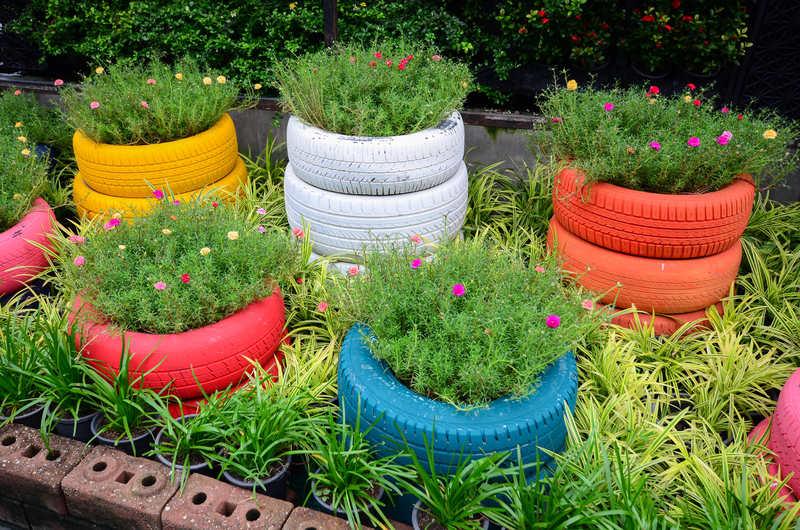
- Upcycling, sensibly: Old saucepans become herb planters, utensil pots, or quirky ice buckets. Drill drainage holes for planters; sand sharp edges. Simple, cute, practical.
- Safety first: If a handle is loose or the rivets are failing, retire it. Hot oil and wobbly pans are a hospital trip waiting to happen.
- Keep proof of responsible disposal for business or landlord records: a Waste Transfer Note from a licensed carrier or yard is gold.
And if you've ever wondered, is now the time to let go? If it wobbles on the hob or food sticks no matter what--yes. Yes it is.
Common Mistakes to Avoid
- Putting pots and pans in the kerbside bin: Most UK schemes won't accept them; they jam sorting machinery.
- Dumping glass lids with bottle glass: Tempered glass has different melting properties; many bottle banks won't accept it. Use HWRC advice.
- Forgetting to remove bulky plastic handles: Not a disaster, but removing them can improve the recycling process and sometimes your scrap price.
- Scrapping perfectly usable cookware: If it's safe and clean, donate first. Someone else genuinely needs it.
- Assuming non-stick makes it non-recyclable: Not true for the base metal. The coating is thin; the metal can still be recovered.
- Skipping a quick clean: Thick grease and food residues can contaminate loads and attract pests. A rinse helps.
- Not checking opening hours: HWRCs often have seasonal hours and van restrictions. Turn up closed and, well, that's deflating.
Yeah, we've all been there--standing at the wrong gate, with a boot full of pans, on a Sunday afternoon. Quick check online saves the trip.
Case Study or Real-World Example
Location: Hackney, East London
It was a grey Saturday with that familiar city drizzle. Mila and Tom had just moved into a new flat--narrow hallway, creaky floorboards, the lot. They unearthed a chaotic stash: four frying pans (two scorched), three saucepans (one without a lid), and a heavy cast-iron skillet so rusty it looked like a relic.
What they did:
- Sort: Magnet test confirmed two pans were steel, two were aluminium. The cast iron was solid--just rusty, no cracks.
- Decide: They kept the cast iron, cleaned and re-seasoned it. Donated a good stainless saucepan to a mutual aid group. Recycled the two badly scratched non-stick frying pans.
- Prepare: Removed plastic handles with a screwdriver, wiped off baked-on oil, and boxed the glass lids separately.
- Drop-off: Drove to the local HWRC; staff directed them to the scrap metal container. Lids went to the glass area after a quick check. One lid wasn't accepted (tempered). It went to general waste--annoying, but honest.
Result: Cupboards went from chaos to calm. The cast iron? A revelation. "It sizzled like a dream," Mila said, laughing. The sound of onions hitting that newly seasoned pan--it's tiny, but it's home.
Tools, Resources & Recommendations
Use these to locate the right options quickly, wherever you live.
- UK - Recycle Now Locator: Find council-specific rules and nearby HWRCs: recyclenow.com/local-recycling
- UK - GOV.UK Waste Carriers: Verify licensed waste carriers for business or larger clear-outs: Environment Agency public register
- Scrap Yard Finder: Try iScrap App (US/Canada) or search "scrap metal yard + your city". In the UK, Scrap Local lists dealers.
- Reuse Networks: Freecycle, Freegle (UK), Olio, and local Facebook groups are superb for quick giveaways.
- Charities: British Heart Foundation Home Stores, Emmaus, local community kitchens. Call first for acceptance.
- General Recycling Info: WRAP (UK) publishes guidance on household recycling good practice.
- Upcycling Ideas: Search "planter from old saucepan", "magnetic knife bar from old steel strip", or "campfire cookware from retired cast iron" for creative reuse.
Tip: If you're clearing a rental property or moving office kitchens, line up a licensed waste carrier in advance and ask for a Waste Transfer Note every time.
Law, Compliance or Industry Standards (UK-focused if applicable)
If you're in the UK (especially if you're a landlord, business owner, or facilities manager), a few legal points matter:
- Waste Hierarchy (EU/UK): Prioritise prevention, reuse, and recycling over disposal--embedded in the Waste Framework Directive and UK law.
- Environmental Protection Act 1990 - Duty of Care: If you're a business (including landlords disposing of items from properties), you must ensure waste is handled by a licensed carrier, stored securely, and transferred with proper documentation (Waste Transfer Notes).
- Scrap Metal Dealers Act 2013 (England & Wales): Scrap yards must be licensed; you'll be asked for ID, and payment is non-cash (bank transfer or cheque). This is normal--don't be put off.
- Household Waste Recycling Centres: These typically accept domestic metal items; van restrictions and ID checks vary by council.
- Non-stick coatings (PTFE/PFAS): Not classed as household hazardous waste when present as a cookware coating. You can still recycle the underlying metal at HWRCs or scrap yards. Do not burn pans at home.
- Workplace disposal: Restaurants and caterers must use registered waste carriers. Keep a log and ensure metal is recycled where feasible--both for compliance and cost efficiency.
In short: households have it easy; businesses need paperwork. Either way, recycling metal cookware is absolutely feasible and usually straightforward.
Checklist
Quick scan before you head out. Five minutes. Done.
- Identify materials: steel, aluminium, cast iron, copper, glass lids.
- Choose reuse vs recycle: donate safe, clean items first.
- Remove plastic/wood parts if you can.
- Quick clean--no heavy grease or food.
- Sort by metal type for scrap yard trips.
- Check HWRC opening hours and accepted items.
- Pack safely: box for lids, gloves for handling.
- Take ID if visiting a scrap yard (UK law).
- Ask staff where to place each item on arrival.
Take a breath. You're nearly there.
Conclusion with CTA
Recycling pots and pans in your city isn't about being perfect; it's about making a few smart moves that turn clutter into resources. Identify what you've got, prep it quickly, and take it to the right place. You'll cut waste, maybe earn a few quid, and open that cupboard without bracing for a metal avalanche. Better for you, better for the planet.
If you're handling a larger clear-out--student flats, an office kitchen, or a small restaurant--consider a licensed collection service. Ask for metal recycling specifically and keep your paperwork clean.
Get a free quote today and see how much you can save.
One last thought: the sound of a cupboard door closing softly on a tidy shelf? It's a small, quiet kind of relief. Keep that.
FAQ
Can I put pots and pans in my household recycling bin?
Usually no. Most kerbside schemes in the UK don't accept cookware because it's bulky and the metal types/shapes aren't compatible with sorting lines. Take them to an HWRC or a scrap metal yard instead.
Are non-stick pans (Teflon/PTFE) recyclable?
Yes, the metal base is recyclable. The coating is a thin layer that's handled during industrial processing. Don't try to remove the coating at home; just take the pan to an HWRC or scrap yard.
What should I do with glass lids?
Tempered glass lids often can't go in bottle banks because they melt at different temperatures. Your HWRC may have a separate bay or direct you to general waste for lids. Always ask--rules vary by location.
Can I donate old pots and pans?
Yes, if they're clean and safe (no peeling coating, no dangerous handles). Charities, reuse centres, Freecycle, Freegle, Olio, and local groups are great for usable cookware. Call charity shops first to confirm they're accepting.
Will a scrap yard pay me for old pans?
Often yes, but it's modest--paid by weight. Non-ferrous metals like aluminium and copper can fetch better rates than steel. In the UK, bring ID; you'll be paid by bank transfer under the Scrap Metal Dealers Act 2013.
How do I prepare pans for recycling?
Remove plastic or wooden parts if easy, give a quick clean to remove heavy residue, sort by metal type if visiting a scrap yard, and pack glass lids separately. That's enough.
Is rusty cast iron recyclable?
Absolutely. Rust isn't a problem for recycling. If the pan isn't cracked or warped, consider restoring it by scrubbing and re-seasoning; otherwise, recycle it as scrap metal.
My non-stick is scratched--should I recycle or keep using it?
If food sticks or flakes appear, it's time to retire it for safety and quality reasons. Recycle the pan base; donate only if the coating is intact and the pan is safe.
Can I book a council collection for cookware?
Some councils include metal items in bulky waste collections (often for a fee). Check your local council website for booking, accepted items, and prices.
Do any retailers offer cookware take-back?
Occasionally, yes--usually as trade-in promotions or during environmental campaigns. Policies vary, so check current offers online or ask in-store.
Is it worth separating aluminium from steel?
For scrap yards, yes--aluminium and copper are often worth more. Use a magnet to sort quickly. For HWRC drop-off, separation is less critical but still helpful.
What about pressure cookers or multi-material pans?
Remove rubber gaskets, plastic handles, and any electrics (if it's an electric cooker, treat as WEEE). The main metal body can go to scrap or HWRC metal bays.
I live in a flat with no car--what's my best option?
Use a nearby HWRC if it's walkable with a trolley, or list the items on Freegle/Freecycle for collection. Some scrap collectors or reuse groups will pick up, especially in larger cities.
Is burning off the non-stick coating at home safe?
No. Never burn cookware coatings at home. It's unsafe and unnecessary. Take the pan to official recycling routes where industrial processes handle coatings safely.
Can I upcycle old pots and pans instead?
Definitely. Turn old saucepans into herb planters, storage for utensils, or quirky ice buckets. Sand sharp edges, drill drainage holes if needed, and enjoy the character.
Do businesses need special paperwork to dispose of cookware?
Yes. In the UK, businesses must follow Duty of Care rules: use a licensed waste carrier and keep Waste Transfer Notes. Ask your collector to confirm the metal goes for recycling.
How do I find local rules quickly?
Use the Recycle Now postcode tool (UK) for exact local guidance. Otherwise, search your city name + "HWRC" or "scrap metal recycling" for opening hours and accepted items.
Is copper cookware recyclable even if it's lined?
Yes. Scrap dealers can handle copper with stainless linings or tin lining. You may get a different rate depending on composition, but it's still recyclable.
What if my council says no to glass lids--what then?
If no facility accepts tempered glass locally, you may have to dispose of lids in general waste. It's not ideal, but recycling the metal pans still saves significant resources.
Why do some articles say to throw pans away?
Because kerbside systems don't accept them, some assume they're non-recyclable. In reality, HWRCs and scrap yards are the right route. It's an extra step, not a dead end.
Can I recycle enamelled or painted pots?
Yes. The metal base is still recyclable. Enamel/paint may be removed or managed during processing. If in doubt, ask staff at the HWRC or scrap yard--most accept them.
Final thought?
Do the simple thing: sort, drop-off, done. It's a small act that genuinely helps--and your kitchen will feel lighter for it.