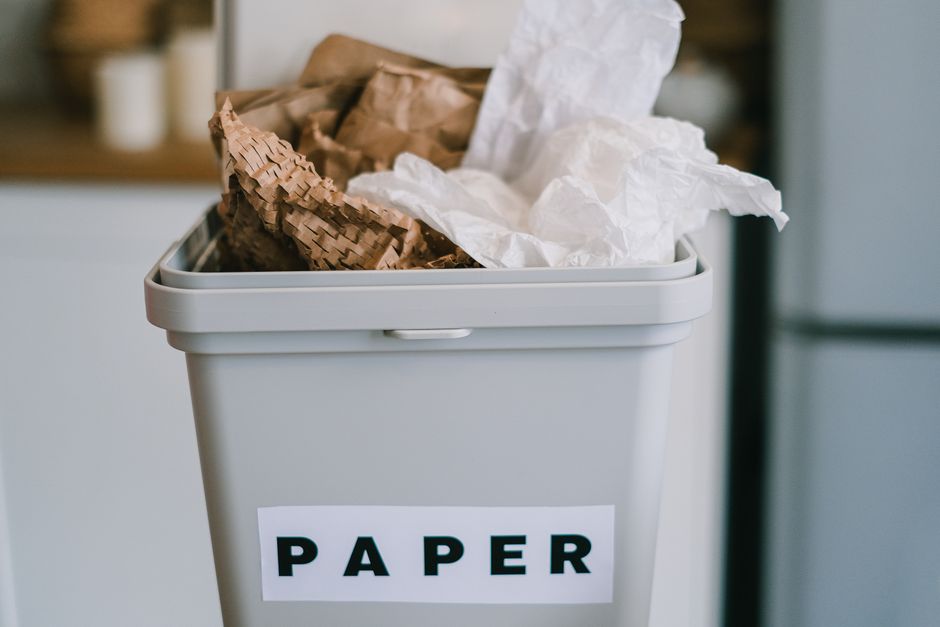
Brent Council rubbish rules for household waste in Queens Park
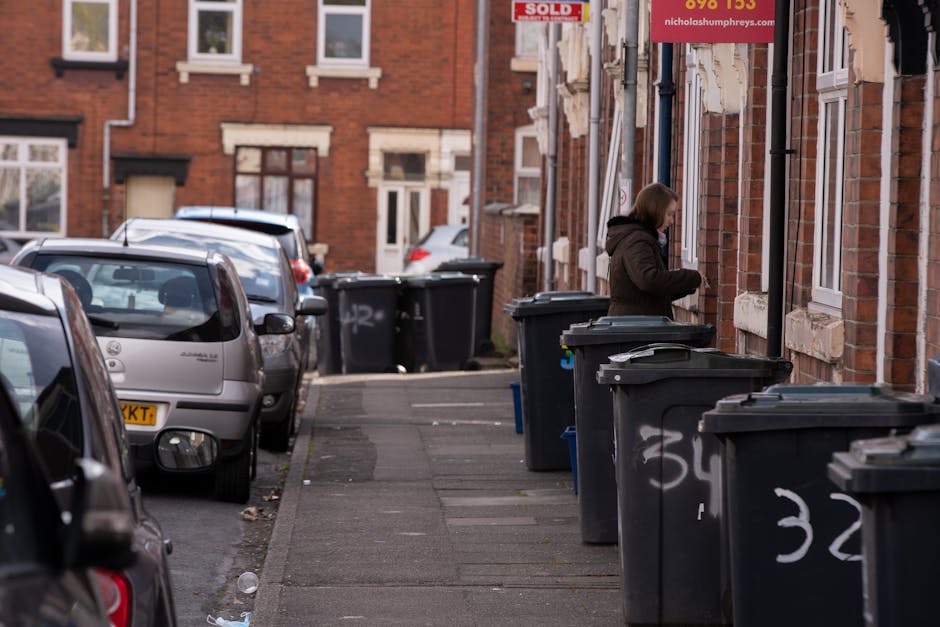
If you live in Queens Park, rubbish can feel oddly complicated for something so ordinary. One week the bins are out on time, the next there's a soggy bag tucked beside the wrong container, or a bulky item left on the pavement because no one was quite sure what counted as household waste. Brent Council rubbish rules for household waste in Queens Park are there to keep streets cleaner, collections safer, and recycling easier - but the details matter more than people expect.
This guide breaks the rules down in plain English. You'll learn what usually goes in each bin, how to avoid refusals and missed collections, what to do with awkward items, and when a more complete clearance approach makes sense. Truth be told, most problems come from small misunderstandings rather than bad intentions. A little clarity goes a long way.
- Why the rules matter in Queens Park
- How household waste collections work
- Key benefits and practical advantages
- Who this is for and when it makes sense
- Step-by-step guidance
- Expert tips for better results
- Common mistakes to avoid
- Tools, resources and recommendations
- Law, compliance and best practice
- Options and comparison table
- Case study or real-world example
- Practical checklist
- Conclusion
- Frequently asked questions
Why Brent Council rubbish rules for household waste in Queens Park Matters
Getting the rules right is not just about being tidy. It affects whether your waste is collected, whether recycling goes to the right place, and whether your street ends up with stray bags, overflowing lids, or items left out that shouldn't be there. In a busy part of north-west London like Queens Park, that can become a real nuisance very quickly.
The practical side is simple: if your household waste is sorted correctly, collection is smoother and there's less chance of contamination. If it isn't, bins can be refused or left behind. That usually means extra mess, extra hassle, and sometimes extra cost if you need to arrange a different clearance route. Not glamorous, but very real.
There's also the neighbour factor. Flats, terraces, and shared frontages mean one person's mistake can affect an entire row. A torn bag in wet weather, for example, can spread across the pavement before anyone even notices. You know how it is - one bit of wind and suddenly it's everywhere.
For households near busy roads, side streets, or communal bin stores, understanding collection expectations is especially useful. It helps you plan around travel, work, school runs, and those awkward days when everyone seems to put bins out at once.
Expert summary: The safest approach is to sort waste early, separate recycling from general rubbish, keep items contained, and treat bulky or unusual items as a separate decision rather than a last-minute add-on.
How Brent Council rubbish rules for household waste in Queens Park Works
Household waste rules usually revolve around a few practical categories: general rubbish, recycling, food waste, garden waste, and bulky items. The exact collection arrangement can vary by property type, but the same principle applies across the board: put each item in the right stream and present it in the right way.
For many homes in Queens Park, that means using the bins or containers assigned to the property and avoiding loose rubbish on the pavement. Bags should be tied securely, lids should close properly where possible, and recycling should be clean enough not to spoil the whole load. A greasy pizza box, for instance, can sometimes be more trouble than it looks.
Households in flats often have a bit more complexity. Communal bin stores, shared containers, limited space, and staggered collection days can make things feel less straightforward. If you live in a flat, it is worth being careful about where waste is stored and whether your building has its own instructions. A communal area can look tidy one afternoon and chaotic the next if everyone "just leaves it for later."
Bulky waste is where many people trip up. Large items such as furniture, mattresses, or appliances usually need separate handling rather than being left beside the usual bins. If you are dealing with that kind of clear-out, furniture disposal and fridge and appliance removal are the sort of services people look at when a standard bin collection will never be enough.
Another useful distinction is between everyday household rubbish and waste from works, DIY, or major clear-outs. Builders' rubble, broken plasterboard, stripped flooring, and renovation debris are not the same as household leftovers or packaging. If you have that sort of load, a dedicated route like builders waste clearance is usually more appropriate than trying to squeeze it into normal domestic bins. That saves time and avoids awkward refusals.
Key Benefits and Practical Advantages
Following the rules properly brings benefits that are easy to overlook until something goes wrong. The most obvious one is collection reliability. If your waste is sorted and presented correctly, there is less room for confusion. Simple, but important.
There is also a hygiene benefit. Food waste, leaking bags, and mixed rubbish can attract pests and create smells, especially in warmer weather or in enclosed bin stores. Nobody wants that lingering smell in the hallway on a Monday morning. Not exactly the dream start to the week.
A second advantage is better recycling performance. Clean recyclable materials are much more likely to be processed properly than mixed or contaminated items. That helps households do their part without overthinking every throwaway moment.
Another practical gain is space. In smaller Queens Park homes, space is always at a premium. Storing waste correctly, especially bulky items awaiting collection, prevents hallways, gardens, and shared entrances from becoming cluttered. If you have ever had a broken wardrobe sitting by the door for three days, you'll know what I mean.
And then there is peace of mind. You don't need to wonder whether the bin crew will take it, whether you've used the right container, or whether you're about to cause a mess for the neighbours. That quiet confidence is worth a lot.
Who This Is For and When It Makes Sense
This guide is useful for nearly everyone in Queens Park, but some households will feel the benefit more strongly than others.
- New residents who are still learning local collection routines
- Tenants and landlords managing move-in or move-out waste
- Families with higher volumes of everyday rubbish, packaging, and food waste
- People in flats dealing with communal bins and limited storage
- Homeowners who are clearing lofts, garages, or spare rooms
- Anyone handling bulky items that won't fit normal bins
It also makes sense if you are in the middle of a life admin phase - a declutter before moving, a garden tidy-up after a long stretch of neglect, or that classic "we'll sort the spare room later" moment that has finally arrived. We've all seen it.
If your waste is mostly household packaging, food scraps, and day-to-day rubbish, normal collection rules are usually enough. If the load includes a mix of furniture, old appliances, bags from a clear-out, or awkward items with no obvious home, it may be better to think beyond the usual bins and explore home clearance or house clearance.
Step-by-Step Guidance
If you want the simplest route through Brent Council rubbish rules for household waste in Queens Park, use this order.
- Sort waste by type. Separate general rubbish, recyclables, food waste, and anything bulky or special.
- Check what your property uses. Houses and flats often have different container setups, and shared buildings may have their own arrangements.
- Keep waste contained. Tie bags securely, flatten packaging where useful, and avoid loose material.
- Do not overfill containers. Lids should close properly if bins are provided.
- Keep recycling clean. Food residue, greasy packaging, and mixed materials can cause problems.
- Set aside bulky items early. Mattresses, sofas, old shelving, and white goods usually need a separate plan.
- Remove special waste from the household stream. Items such as hazardous materials or confidential papers should be handled properly.
A small example helps. Say you are clearing out a bedroom in Queens Park. You might have cardboard boxes, an old chair, a lamp, a broken fan, and a few bags of general rubbish. Cardboard can usually be flattened and handled separately, the chair might need furniture disposal, and the fan may be an appliance item depending on size and condition. That sort of split is where most people save time - and avoid making a bin-store mess that becomes everyone's problem.
If you are trying to deal with documents at the same time, a confidential shredding option is more sensible than putting paper into mixed waste. It is one of those small decisions that feels dull but saves stress later.
Expert Tips for Better Results
The best household waste outcomes usually come from planning, not effort. In our experience, five minutes of sorting before the collection day beats twenty minutes of rushing around with half-open bags and no free bin space.
Tip 1: Keep a "problem items" corner. A corner of the hallway, utility room, or shed is enough. Put awkward items there as soon as you notice them. If they go into the main waste flow too early, they tend to get forgotten or mixed in.
Tip 2: Don't treat everything as rubbish. Some items can be reused, passed on, or separately disposed of. That applies to furniture, working appliances, and storage items. A tired but usable shelf is not the same thing as broken household waste.
Tip 3: Use stronger bags than you think you need. Thin bags split at the worst possible time. Usually when you're halfway to the bin, naturally.
Tip 4: Watch the weather. Rain can ruin cardboard and make bin areas slippery. Wind can scatter light waste. On a wet November morning, even "light" rubbish becomes more annoying than it looks.
Tip 5: Think about the whole route, not just the bin. If waste has to be carried through shared hallways or down narrow stairs, keep loads small and manageable. That matters even more in older terraces and flats with tight access.
Tip 6: Plan bulky clearances before they become urgent. When a sofa, mattress, or broken freezer is left too long, it turns into clutter and stress. If you need help with these items, services such as mattress and sofa disposal can be a more practical answer than waiting for a bin workaround that does not exist.
Common Mistakes to Avoid
Most collection problems come from a handful of predictable mistakes. The good news is that they are all avoidable.
- Mixing recycling with general waste. Even a small amount of contamination can spoil the load.
- Leaving bags loose. Loose rubbish tears, blows away, and looks untidy very quickly.
- Overfilling bins. If the lid won't close, that is usually a warning sign.
- Putting bulky items beside the bin and hoping for the best. Hope is not a waste plan.
- Ignoring communal rules. In flats, the building's bin system may matter as much as the council collection itself.
- Putting special waste into ordinary household rubbish. Hazardous or sensitive items should be separated.
Another common issue is timing. People wait until the evening before collection, then discover they have far more waste than expected. It's a familiar kind of panic. The cupboard is suddenly full, the bag pile has grown, and now the stairwell looks like a storage unit.
If the item is too big, too messy, or too numerous for the normal system, stepping back is smarter than forcing it. A proper clearance route will usually be cleaner and less frustrating than trying to improvise.
Tools, Resources and Recommendations
You don't need complicated kit to manage household rubbish well. A few simple tools make a real difference.
| Tool or resource | Why it helps | Best use case |
|---|---|---|
| Strong refuse bags | Reduce splitting and leakage | General rubbish and mixed household waste |
| Stackable boxes | Keep sorting tidy before disposal | Decluttering and room clear-outs |
| Labelled containers | Help separate recycling from rubbish | Shared homes and busy households |
| Tape measure | Useful for bulky items and access checks | Furniture, appliances, and large clearances |
| Shredder or shredding sacks | Protects personal information | Paperwork and confidential records |
For larger jobs, a professional clearance service can be a better fit than trying to gradually push everything through normal bins. If your household waste starts to look like a moving-out pile, a flat clearance or furniture clearance approach may be more efficient.
It is also worth thinking about recycling and sustainability in the same breath as rubbish rules. Sorting waste properly is not just about compliance. It's about reducing avoidable landfill, keeping reusable material out of general waste, and making better use of the resources you already have. For a broader view, recycling and sustainability is a useful mindset to keep in the background.
If you want to understand the boundaries of mixed waste and bulky disposal more clearly, it can also help to look at what can go in a skip. Even if you are not booking a skip, the same sort of thinking applies: some materials are fine in a general load, others really are not.
Law, Compliance, Standards, or Best Practice
For householders, the main point is to follow the collection rules that apply locally and avoid presenting waste in a way that creates danger, obstruction, or contamination. That includes keeping pavements clear where possible, not leaving bags out for long periods, and separating items that need special handling.
Best practice in the UK generally means treating waste as a sorted stream rather than one big pile. In plain English: keep recyclables clean, keep general waste contained, and keep anything hazardous, sharp, or confidential out of ordinary household bags.
There are also practical safety concerns. Broken glass, needles, chemicals, paint, batteries, and similar items should not be treated casually. If you are unsure, stop and separate the item instead of assuming it can go with general rubbish. That pause can save a lot of trouble.
For households, compliance is usually less about complex paperwork and more about common sense, tidiness, and respecting the collection system. For landlords and managing agents, it also means making sure residents understand shared bin arrangements and do not block access or overload communal stores.
If a clearance is likely to involve hidden risks, mixed waste, or heavy lifting, checking your approach against health and safety policy and insurance and safety information can be reassuring. It's the boring side of the job, yes, but the boring side is often the important one.
Options, Methods, or Comparison Table
Different waste situations call for different methods. Here is a practical comparison to help you choose.
| Method | Best for | Pros | Limits |
|---|---|---|---|
| Standard household collection | Everyday rubbish and recycling | Simple, routine, usually the lowest effort | Not suitable for bulky or unusual items |
| Careful item-by-item sorting | Medium declutters and mixed household waste | Reduces contamination, improves recycling | Needs time and discipline |
| Furniture or appliance disposal | Sofas, beds, white goods, large items | Handles awkward items properly | Not for ordinary kitchen waste |
| Home or house clearance | Whole-room or whole-property clear-outs | Fast, tidy, good for larger volumes | More than you need for a few bags |
| Builders waste clearance | DIY, renovation, heavy debris | Suitable for construction-type material | Not a household bin substitute |
The right choice often depends on volume, item type, access, and time. A few bin bags? Standard collection logic. A spare room full of old furniture, cracked storage boxes, and a broken appliance? That's a different story entirely.
Case Study or Real-World Example
A typical Queens Park scenario goes something like this. A couple finishes a long-overdue bedroom refresh in a flat near the station. They have two mattresses, an old chest of drawers, a broken bedside lamp, cardboard from new furniture, and a few black bags of mixed household waste. At first glance, it feels manageable. By Saturday evening, it looks much bigger than expected.
They separate the cardboard, keep the general rubbish bagged, and identify the bulky items for separate removal. The lamp and any broken small electrical bits are not shoved in with everything else. They also avoid leaving the mattresses in the communal corridor, because that would be a fast way to annoy half the building. Sensible move.
Rather than trying to bend the normal collection system around the problem, they use a clearance service for the larger items and keep the household waste in the correct stream. The result is cleaner, quicker, and less stressful. No drama, no trail of broken packaging up the stairs, no awkward "who left this here?" moment in the hallway.
That example matters because most real-life waste jobs are mixed jobs. People rarely have just one type of item. They have a bit of this, a bit of that, and a lot of uncertainty. A steady approach usually wins.
Practical Checklist
Before collection day, run through this list.
- Have I separated general waste from recycling?
- Are food scraps contained properly?
- Are bags tied securely and not overfilled?
- Have I checked whether the property uses shared bins or a communal store?
- Have I set aside bulky items like furniture, mattresses, or appliances?
- Do I need a special route for hazardous, sharp, or confidential items?
- Is there enough space to move waste without blocking hallways or paths?
- Have I avoided mixing in construction debris or DIY waste?
- Do I need help with a larger clearance rather than ordinary collection?
If you can answer "yes" to the first several points, you are usually in good shape. If not, take another five minutes and tidy the plan up. That small pause tends to save a lot of inconvenience later.
For bigger household jobs, it can also be useful to compare options like garage clearance, loft clearance, or furniture clearance depending on what is actually piling up. The right label matters less than the right outcome.
Conclusion
Brent Council rubbish rules for household waste in Queens Park are really about keeping things simple, safe, and predictable. Sort waste properly, keep it contained, don't force bulky or special items into the wrong stream, and plan ahead when a normal bin collection will not do the job.
The households that have the easiest time are usually not the ones with the fanciest system. They're the ones that stay consistent, separate waste early, and deal with awkward items before they become a problem. Quiet habits, really. Nothing dramatic.
If you are facing a standard weekly collection, a one-off clear-out, or a much bigger household job, the key is to choose the right approach before the bags start multiplying in the corner. And if things are already getting out of hand, don't worry - it happens. Properly sorting it now is still a win.
Get a free quote today and see how much you can save.
Frequently Asked Questions
What counts as household waste in Queens Park?
Household waste usually means the everyday rubbish produced in a home, such as food scraps, packaging, small mixed rubbish, and routine recycling. It does not usually include construction debris, large furniture, or hazardous items.
Can I leave extra bags next to my bin if it is full?
Usually, extra bags beside the bin are a bad idea unless your collection arrangement specifically allows it. They can tear, attract pests, and create problems for neighbours or shared spaces.
What should I do with a sofa or mattress?
Bulky items like sofas and mattresses are typically handled separately from normal household rubbish. They are better managed through a clearance route designed for large waste, not by squeezing them into ordinary collections.
Do I need to separate recycling carefully?
Yes, as much as you can. Clean recycling is easier to process. Mixed or dirty recycling can cause contamination and may be rejected or downgraded.
Are food waste rules different from general rubbish?
In practice, yes. Food waste should be kept separate from dry rubbish wherever a separate food-waste system is available. This helps reduce smell and improves waste handling.
What happens if I put the wrong items out?
The waste may be left behind, refused, or treated as contaminated. In communal areas, it can also cause extra mess and inconvenience for everyone using the bins.
Can I put DIY waste in my household bins?
Usually not if it is a significant amount or includes rubble, plasterboard, timber offcuts, or similar material. DIY waste often needs a separate clearance method.
How do I handle confidential paperwork?
Do not put sensitive documents loosely into general waste. A dedicated shredding approach is safer and more sensible, especially if the paperwork includes personal or financial details.
Is it better to clear rubbish little and often or all at once?
That depends on volume. Small, regular waste is easier to manage little and often. But for decluttering, clearing in one organised session is usually cleaner and less stressful.
What if I live in a flat with shared bins?
Follow the building's bin rules carefully, because shared systems can have their own storage, access, and presentation requirements. One loose bag in a communal store can become everyone's annoyance very quickly.
When should I use a clearance service instead of normal bins?
Use a clearance service when you have bulky items, a large volume of waste, renovation debris, or a mix of materials that won't fit the normal collection system comfortably.
How can I make waste collection easier in a busy household?
Use labelled containers, tie bags properly, flatten packaging, and keep a small area for awkward items. A little structure helps more than people expect, especially in compact London homes.
What is the biggest mistake people make with household rubbish?
The most common mistake is treating every item as if it belongs in the same bin. Once you separate rubbish by type, most of the confusion disappears.
If you want a cleaner, calmer way to deal with a bigger household clear-out, the next step is simply to plan the waste properly and choose the right disposal route. That alone can make the week feel easier.